Your Y shaped protein molecules that fight pathogens are called images are ready. Y shaped protein molecules that fight pathogens are called are a topic that is being searched for and liked by netizens today. You can Download the Y shaped protein molecules that fight pathogens are called files here. Find and Download all royalty-free photos and vectors.
If you’re searching for y shaped protein molecules that fight pathogens are called images information linked to the y shaped protein molecules that fight pathogens are called interest, you have visit the right site. Our site always provides you with suggestions for seeking the maximum quality video and image content, please kindly hunt and find more enlightening video articles and graphics that fit your interests.
Y Shaped Protein Molecules That Fight Pathogens Are Called. A wide range of substances are regarded by the body as antigens including disease-causing organisms and toxic materials. This binding serves many purposes in the eradication of the virus. The coronavirus might be new but nature long ago gave humans the tools to recognise it at least on a microscopic scale. Such molecules called haptens.
 Molecules Free Full Text Synergistic Approach Of Ultrafast Spectroscopy And Molecular Simulations In The Characterization Of Intramolecular Charge Transfer In Push Pull Molecules Html From mdpi.com
The coronavirus might be new but nature long ago gave humans the tools to recognise it at least on a microscopic scale. The amino acid sequence in the variable region dictates the. These molecules are produced by B cells in order to identify and neutralize harmful agents such as infectious bacteria fungi and viruses. Every antibody is a y-shaped protein. Any of numerous Y -shaped protein molecules produced by B cells as a primary immune defense each molecule and its clones having a unique binding site that can combine with the complementary site of a foreign antigen as on a virus or bacterium thereby disabling the antigen and signaling other immune defenses. The cytolytic granules contain pore-forming proteins called perforins or cytolysins proteases known as granzymes or fragmentins granulolysins which participate in the degradation of membrane lipids inhibitors of perforins that protect the cytotoxic T Cell from autolysis calreticulin catepsin G and FasL.
The coronavirus might be new but nature long ago gave humans the tools to recognise it at least on a microscopic scale.
Antibodies Y-shaped immune proteins that can latch onto pathogens and block them from infiltrating cells. The coronavirus might be new but nature long ago gave humans the tools to recognise it at least on a microscopic scale. Antibodies recognize and latch onto antigens in order to remove them from the body. Each tip of the Y of an antibody contains a paratope analogous to a lock that is specific for one. They are the search battalion. The immune systems B lymphocytes or B cells develop into plasma cells which can produce a huge variety of antibodies each one capable of grabbing an invading molecule at the top ends of the Y.
 Source: mdpi.com
This binding serves many purposes in the eradication of the virus. Joined together the heavy and light chains form a basic Y-shaped structure. Antibodies are heavy proteins that are approximately 10 nanometers in size. The antibodies are transported through the blood and the lymph to the pathogen invasion site. These molecules are produced by B cells in order to identify and neutralize harmful agents such as infectious bacteria fungi and viruses.
 Source: mdpi.com
Invading microbial pathogens must scavenge essential nutrients from their host organism in order to survive and replicate. Such an Ig comprises three globular domains connected by more flexible linkers. They are the search battalion. Millions of years of evolution have honed these proteins into the disease-fighting weapons they are today. It is formed by the combination of two identical heavy and two identical light chains.
 Source: mdpi.com
Antibodies Y-shaped immune proteins that can latch onto pathogens and block them from infiltrating cells. Antibodies are specialized Y-shaped proteins that bind like a lock-and-key to the bodys foreign invaders whether they are viruses bacteria fungi or parasites. Antibodies Y-shaped immune proteins that can latch onto pathogens and. An antibody also known as an immunoglobulin is a large Y-shaped protein produced mainly by plasma cells that is used by the immune system to neutralize pathogens such as pathogenic bacteria and viruses. The antibodies are transported through the blood and the lymph to the pathogen invasion site.
 Source: mdpi.com
Antibodies are Y-shaped proteins that bind to specific antigens The role of the B lymphocytes is to produce antibodies against antigens which leads to. Internal receptors also known as intracellular or cytoplasmic receptors are found in the cytoplasm of the cell and respond to hydrophobic ligand molecules that are able to travel across the plasma membrane. The antibody receptor also called an immunoglobulin Ig was the first antigen-specific receptor to be characterized and is commonly drawn as a Y-shaped cartoon. These molecules are produced by B cells in order to identify and neutralize harmful agents such as infectious bacteria fungi and viruses. Antibodies Y-shaped immune proteins that can latch onto pathogens and.
Source: mdpi.com
The immune systems B lymphocytes or B cells develop into plasma cells which can produce a huge variety of antibodies each one capable of grabbing an invading molecule at the top ends of the Y. Such molecules called haptens. Antibodies are released into the lymphatic system to scour the body for the identified antigen. Antibodies also called immunoglobulins or Igs are Y-shaped proteins that circulate through the blood stream and bind to specific antigens thereby attacking microbes. The coronavirus might be new but nature long ago gave humans the tools to recognise it at least on a microscopic scale.
 Source: mdpi.com
Antibody also called immunoglobulin a protective protein produced by the immune system in response to the presence of a foreign substance called an antigen. Antibodies Y-shaped immune proteins that can latch onto pathogens and. Antibodies are proteins that specifically recognise invading pathogens and bind stick to them. To defend themselves from infection hosts attempt to block pathogens access to these nutrients. An antibody also known as an immunoglobulin is a large Y-shaped protein produced mainly by plasma cells that is used by the immune system to neutralize pathogens such as pathogenic bacteria and viruses.
 Source: mdpi.com
Antibodies Y-shaped immune proteins that can latch onto pathogens and block them from infiltrating cells. Each tip of the Y of an antibody contains a paratope analogous to a lock that is specific for one. The tip of each y-shaped arm contains one or more antigen binding sites called paratopes that attach to a specific portion of the antigens surface called the epitope. Internal receptors also known as intracellular or cytoplasmic receptors are found in the cytoplasm of the cell and respond to hydrophobic ligand molecules that are able to travel across the plasma membrane. Antibody also called immunoglobulin a protective protein produced by the immune system in response to the presence of a foreign substance called an antigen.
 Source: cell.com
Each tip of the Y of an antibody contains a paratope analogous to a lock that is specific for one. Such an Ig comprises three globular domains connected by more flexible linkers. These Y-shaped proteins contain antigen-binding sites that specifically bind to their target antigens. Antibody also called immunoglobulin a protective protein produced by the immune system in response to the presence of a foreign substance called an antigen. Antibodies are proteins that specifically recognise invading pathogens and bind stick to them.
 Source: pinterest.com
Antibodies are heavy proteins that are approximately 10 nanometers in size. The antibody receptor also called an immunoglobulin Ig was the first antigen-specific receptor to be characterized and is commonly drawn as a Y-shaped cartoon. Millions of years of evolution have honed these proteins into the disease-fighting weapons they are today. Invading microbial pathogens must scavenge essential nutrients from their host organism in order to survive and replicate. Once inside the cell many of these molecules bind to proteins that act as regulators of mRNA synthesis.
 Source: mdpi.com
Antibodies are heavy proteins that are approximately 10 nanometers in size. The antibodies are transported through the blood and the lymph to the pathogen invasion site. Firstly the antibodies neutralise the virus meaning that it is no longer capable of infecting the host cell. They are the search battalion. Such an Ig comprises three globular domains connected by more flexible linkers.
 Source: mdpi.com
Now researchers at MIT have discovered the vital role a protein calprotectin plays in this process known as nutritional immunity In a paper. Antibodies Y-shaped immune proteins that can latch onto pathogens and. The molecules that antibodies recognize can be quite specificthey might exist only on a. Once inside the cell many of these molecules bind to proteins that act as regulators of mRNA synthesis. Such an Ig comprises three globular domains connected by more flexible linkers.
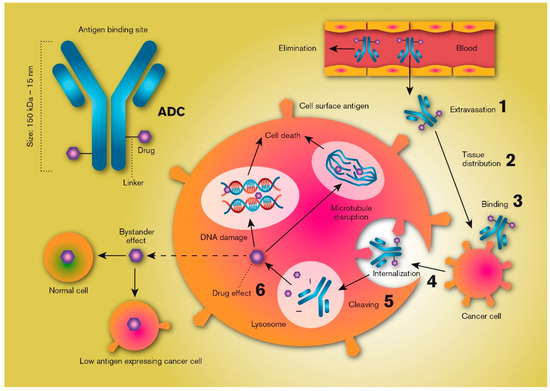 Source: mdpi.com
Antibodies are complex Y-shaped protein molecules that guard our bodies against diseases. Every antibody is a y-shaped protein. The antibody receptor also called an immunoglobulin Ig was the first antigen-specific receptor to be characterized and is commonly drawn as a Y-shaped cartoon. Once inside the cell many of these molecules bind to proteins that act as regulators of mRNA synthesis. Antibodies are complex Y-shaped protein molecules that guard our bodies against diseases.
 Source: mdpi.com
The tip of each y-shaped arm contains one or more antigen binding sites called paratopes that attach to a specific portion of the antigens surface called the epitope. Firstly the antibodies neutralise the virus meaning that it is no longer capable of infecting the host cell. Millions of years of evolution have honed these proteins into the disease-fighting weapons they are today. It is formed by the combination of two identical heavy and two identical light chains. Each tip of the Y of an antibody contains a paratope analogous to a lock that is specific for one.
 Source: pinterest.com
The antibodies are transported through the blood and the lymph to the pathogen invasion site. Any of numerous Y -shaped protein molecules produced by B cells as a primary immune defense each molecule and its clones having a unique binding site that can combine with the complementary site of a foreign antigen as on a virus or bacterium thereby disabling the antigen and signaling other immune defenses. But in a. They are the search battalion. The two binding domains coded for.
 Source: co.pinterest.com
These Y-shaped proteins contain antigen-binding sites that specifically bind to their target antigens. An antibody Ab also known as an immunoglobulin Ig is a large Y-shaped protein used by the immune system to identify and neutralize foreign objects such as pathogenic bacteria and virusesThe antibody recognizes a unique molecule of the pathogen called an antigen. Firstly the antibodies neutralise the virus meaning that it is no longer capable of infecting the host cell. The coronavirus might be new but nature long ago gave humans the tools to recognize it at least on a microscopic scale. Antibodies are proteins that specifically recognise invading pathogens and bind stick to them.
 Source: frontiersin.org
Antibodies also called immunoglobulins or Igs are Y-shaped proteins that circulate through the blood stream and bind to specific antigens thereby attacking microbes. Invading microbial pathogens must scavenge essential nutrients from their host organism in order to survive and replicate. Antibodies are complex Y-shaped protein molecules that guard our bodies against diseases. The molecules that antibodies recognize can be quite specificthey might exist only on a. Antibodies also called immunoglobulins or Igs are Y-shaped proteins that circulate through the blood stream and bind to specific antigens thereby attacking microbes.
 Source: mdpi.com
Antibodies are heavy proteins that are approximately 10 nanometers in size. Joined together the heavy and light chains form a basic Y-shaped structure. The cytolytic granules contain pore-forming proteins called perforins or cytolysins proteases known as granzymes or fragmentins granulolysins which participate in the degradation of membrane lipids inhibitors of perforins that protect the cytotoxic T Cell from autolysis calreticulin catepsin G and FasL. Such molecules called haptens. Antibodies are specialized Y-shaped proteins that bind like a lock-and-key to the bodys foreign invaders whether they are viruses bacteria fungi or parasites.
 Source: mdpi.com
The antibody receptor also called an immunoglobulin Ig was the first antigen-specific receptor to be characterized and is commonly drawn as a Y-shaped cartoon. To defend themselves from infection hosts attempt to block pathogens access to these nutrients. Such molecules called haptens. The two binding domains coded for. Any of numerous Y -shaped protein molecules produced by B cells as a primary immune defense each molecule and its clones having a unique binding site that can combine with the complementary site of a foreign antigen as on a virus or bacterium thereby disabling the antigen and signaling other immune defenses.
This site is an open community for users to share their favorite wallpapers on the internet, all images or pictures in this website are for personal wallpaper use only, it is stricly prohibited to use this wallpaper for commercial purposes, if you are the author and find this image is shared without your permission, please kindly raise a DMCA report to Us.
If you find this site value, please support us by sharing this posts to your own social media accounts like Facebook, Instagram and so on or you can also save this blog page with the title y shaped protein molecules that fight pathogens are called by using Ctrl + D for devices a laptop with a Windows operating system or Command + D for laptops with an Apple operating system. If you use a smartphone, you can also use the drawer menu of the browser you are using. Whether it’s a Windows, Mac, iOS or Android operating system, you will still be able to bookmark this website.