Your Examples of egyptian hierarchical scale images are available in this site. Examples of egyptian hierarchical scale are a topic that is being searched for and liked by netizens now. You can Find and Download the Examples of egyptian hierarchical scale files here. Get all royalty-free vectors.
If you’re looking for examples of egyptian hierarchical scale pictures information linked to the examples of egyptian hierarchical scale keyword, you have come to the ideal blog. Our site always provides you with suggestions for seeing the highest quality video and image content, please kindly hunt and locate more enlightening video content and images that match your interests.
Examples Of Egyptian Hierarchical Scale. The best known example of ancient Egyptian architecture are the Egyptian pyramids while excavated temples palaces tombs and fortresses have also been studied. The Pharaohs were believed to be god in the human form. Hieratic scale Idealization Ka. Line 1 depicts a Shen loop spit of land 3 strokes a man arms in negation an incense bowl and an Ibis bird.
 Ancient Egyptian Sculptures Paintings Innovation Examples Video Lesson Transcript Study Com From study.com
The social hierarchy of Egypt starting from the top to bottom consisted of Pharaohs Vizier Nobles Priests Scribes and Soldiers etc. One of the seven. A key term referring to the standard tomb type in early Egypt characterized by a rectangular stone or brick structure with sloping sides and a flat top over an underground burial chamber. In two and three dimensional colossal representations of kings and gods the stratification is. This meant gods or the pharaoh were usually bigger than other figures followed by figures of high officials or the tomb owner. Examples include model cars which are much smaller than their real counterparts.
Significant or important individuals such as pharaohs were depicted as being much larger than any figures in a scene.
This meant gods or the pharaoh were usually bigger than other figures followed by figures of high officials or the tomb owner. The Pharaohs were believed to be god in the human form. Ancient Egypt Nebamun Hunting in the Marshes ca. Most buildings were built of locally available mud brick and limestone by levied workers. The Pharaohs were believed to be God on earth and they had most of the power. Kings were often shown at the same scale as the deities and both are shown larger than the elite and far larger than the general populace and in smallest scale are shown servants entertainers animals trees and architectural details.
 Source: pinterest.com
Artisans used scale to enable their audience to pick out Gods Kings and common men. Three conventions that Egyptians used were hierarchical scale composite pose and canon of proportions. The Great Pyramid of Giza. What are three well known examples of ancient Egyptian architecture. Relief from the northern wall of the great temple of Amun 19 th Dynasty.
 Source: pinterest.com
Karnak Egypt The pharaoh is the largest figure Because he held the highest status in the social order Scene depicts the military campaign of Pharaoh Seti I figure A against the Hittites and Libyans. The hierarchical scale is mostly used in fine arts and paintings. Relief from the northern wall of the great temple of Amun 19 th Dynasty. Hierarchical scale indicates who is important and who is not. Each level includes the cumulative effects of lower levels and new considerations.
 Source: onlinelibrary.wiley.com
In the Palette of Narmer the king is depicted as the largest being on the palette and has additional support. These are just some examples. Palette of King Narmer from Hierakonpolis Egypt Predynastic c. The social hierarchy of Egypt starting from the top to bottom consisted of Pharaohs Vizier Nobles Priests Scribes and Soldiers etc. What are three well known examples of ancient Egyptian architecture.
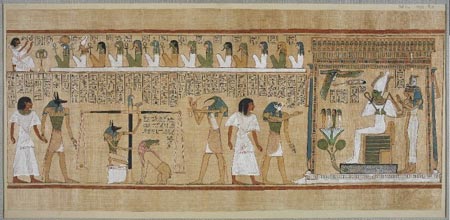 Source: edu.rsc.org
Hierarchical scale indicates who is important and who is not. Hierarchical Scale in Art. High art isnt for money it is usually made to further the art form itself and requires genius study and unique and forward thought. The hieratic scale is a system used to visually communicate power in Egyptian as well as the art of other cultures including the ancient Near East and in medieval European art for example. The Great Pyramid of Giza.
 Source: pinterest.com
It also describes sculptures such as Michelangelos David. The larger the scale of the figures the more important they were. Hierarchical scale in Egyptian relief 173 slide 2. Three conventions that Egyptians used were hierarchical scale composite pose and canon of proportions. Significant or important individuals such as pharaohs were depicted as being much larger than any figures in a scene.
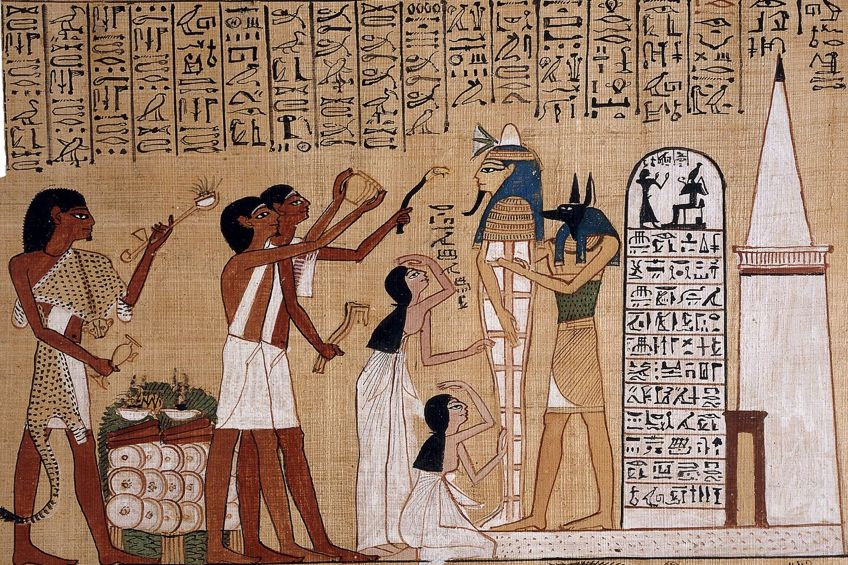 Source: artincontext.org
A key term referring to the standard tomb type in early Egypt characterized by a rectangular stone or brick structure with sloping sides and a flat top over an underground burial chamber. The hieratic scale is a system used to visually communicate power in Egyptian as well as the art of other cultures including the ancient Near East and in medieval European art for example. Guess which fellow is the Pharoah in this Egyptian artwork. Significant or important individuals such as pharaohs were depicted as being much larger than any figures in a scene. Examples include pottery weapons jewellery furniture and even chariots Egyptian statues are quite stylizedsee Realism vs.
 Source: pinterest.com
Difference in scale was commonly used for conveying hierarchy. These are just some examples. In two and three dimensional colossal representations of kings and gods the stratification is. An Egyptian hieroglyphic detail of the Stele of Minnakht chief of priests at Akhmim. Hierarchical Scale In Egyptian art the size of a figure indicates its relative importance.
 Source: libguides.stalbanssc.vic.edu.au
Ancient Egypt Nebamun Hunting in the Marshes ca. 2017 promote and illustrate is a sound one involving linking or bridging between adjacent levels of a scale. Hierarchical scale in Egyptian relief 173 slide 2. The hieratic scale is a system used to visually communicate power in Egyptian as well as the art of other cultures including the ancient Near East and in medieval European art for example. Examples include model cars which are much smaller than their real counterparts.
 Source: pinterest.com
The immortal spirit of the deceased in Egyptian religion. Karnak Egypt The pharaoh is the largest figure Because he held the highest status in the social order Scene depicts the military campaign of Pharaoh Seti I figure A against the Hittites and Libyans. Significant or important individuals such as pharaohs were depicted as being much larger than any figures in a scene. Men averaged 53 and women 410 Nunn 1996. Hieratic scale Idealization Ka.
 Source: pinterest.com
It also describes sculptures such as Michelangelos David. Relief from the northern wall of the great temple of Amun 19 th Dynasty. The larger the scale of the figures the more important they were. The hierarchical approach both Ma et al. This meant gods or the pharaoh were usually bigger than other figures followed by figures of high officials or the tomb owner.
 Source: pinterest.com
One of the seven. The hieratic scale is a system used to visually communicate power in Egyptian as well as the art of other cultures including the ancient Near East and in medieval European art for example. It also describes sculptures such as Michelangelos David. Relief from the northern wall of the great temple of Amun 19 th Dynasty. High art isnt for money it is usually made to further the art form itself and requires genius study and unique and forward thought.
 Source: br.pinterest.com
The Great Pyramid of Giza. Line 2 depicts a field of reeds a plinth shape plants and a jug with a handle. Most buildings were built of locally available mud brick and limestone by levied workers. Line 1 depicts a Shen loop spit of land 3 strokes a man arms in negation an incense bowl and an Ibis bird. The hierarchical scale is mostly used in fine arts and paintings.
 Source: amazon.com
Three conventions that Egyptians used were hierarchical scale composite pose and canon of proportions. The hierarchical scale is mostly used in fine arts and paintings. 2017 and Walker et al. An Egyptian hieroglyphic detail of the Stele of Minnakht chief of priests at Akhmim. They had a mathematical system when it came to design and proportions.
 Source: pinterest.com
One of the seven. Hieratic scale Idealization Ka. Significant or important individuals such as pharaohs were depicted as being much larger than any figures in a scene. 2017 and Walker et al. The hieratic scale is a system used to visually communicate power in Egyptian as well as the art of other cultures including the ancient Near East and in medieval European art for example.
 Source: pinterest.com
Examples include pottery weapons jewellery furniture and even chariots Egyptian statues are quite stylizedsee Realism vs. The best known example of ancient Egyptian architecture are the Egyptian pyramids while excavated temples palaces tombs and fortresses have also been studied. The Pharaohs were believed to be God on earth and they had most of the power. Line 2 depicts a field of reeds a plinth shape plants and a jug with a handle. It also describes sculptures such as Michelangelos David.
 Source: pinterest.com
So David persuaded his men with these words and did not permit. Each level includes the cumulative effects of lower levels and new considerations. The social hierarchy of Egypt starting from the top to bottom consisted of Pharaohs Vizier Nobles Priests Scribes and Soldiers etc. Historians and scientists have been studying the human remains of ancient Egyptians for many years now and what we learn is that the ancient Egyptians were of the same physical stature and size of pretty much everyone else in the ancient Mediterranean world. Most buildings were built of locally available mud brick and limestone by levied workers.
 Source: pinterest.com
Sumer the Standard of Ur about 2600-2400 BCE. The Great Pyramid of Giza. These are just some examples. Hierarchical scale indicates who is important and who is not. The hierarchical approach both Ma et al.
 Source: pinterest.com
This is particularly clear in scenes recorded on temple walls and in other settings which show the Egyptian king at a much larger scale than his enemies heightening the hierarchical effect of the representation by emphasizing the helplessness of the enemy and the kings superhuman stature. Each level includes the cumulative effects of lower levels and new considerations. The hieratic scale is a system used to visually communicate power in Egyptian as well as the art of other cultures including the ancient Near East and in medieval European art for example. It also describes sculptures such as Michelangelos David. He loves fancy hats The concept is simple when looking at the panel above.
This site is an open community for users to share their favorite wallpapers on the internet, all images or pictures in this website are for personal wallpaper use only, it is stricly prohibited to use this wallpaper for commercial purposes, if you are the author and find this image is shared without your permission, please kindly raise a DMCA report to Us.
If you find this site serviceableness, please support us by sharing this posts to your own social media accounts like Facebook, Instagram and so on or you can also bookmark this blog page with the title examples of egyptian hierarchical scale by using Ctrl + D for devices a laptop with a Windows operating system or Command + D for laptops with an Apple operating system. If you use a smartphone, you can also use the drawer menu of the browser you are using. Whether it’s a Windows, Mac, iOS or Android operating system, you will still be able to bookmark this website.


