Your Egyptian god of mummification images are ready. Egyptian god of mummification are a topic that is being searched for and liked by netizens today. You can Get the Egyptian god of mummification files here. Get all royalty-free images.
If you’re looking for egyptian god of mummification pictures information linked to the egyptian god of mummification keyword, you have come to the ideal site. Our website frequently provides you with hints for seeing the highest quality video and image content, please kindly surf and find more informative video content and graphics that fit your interests.
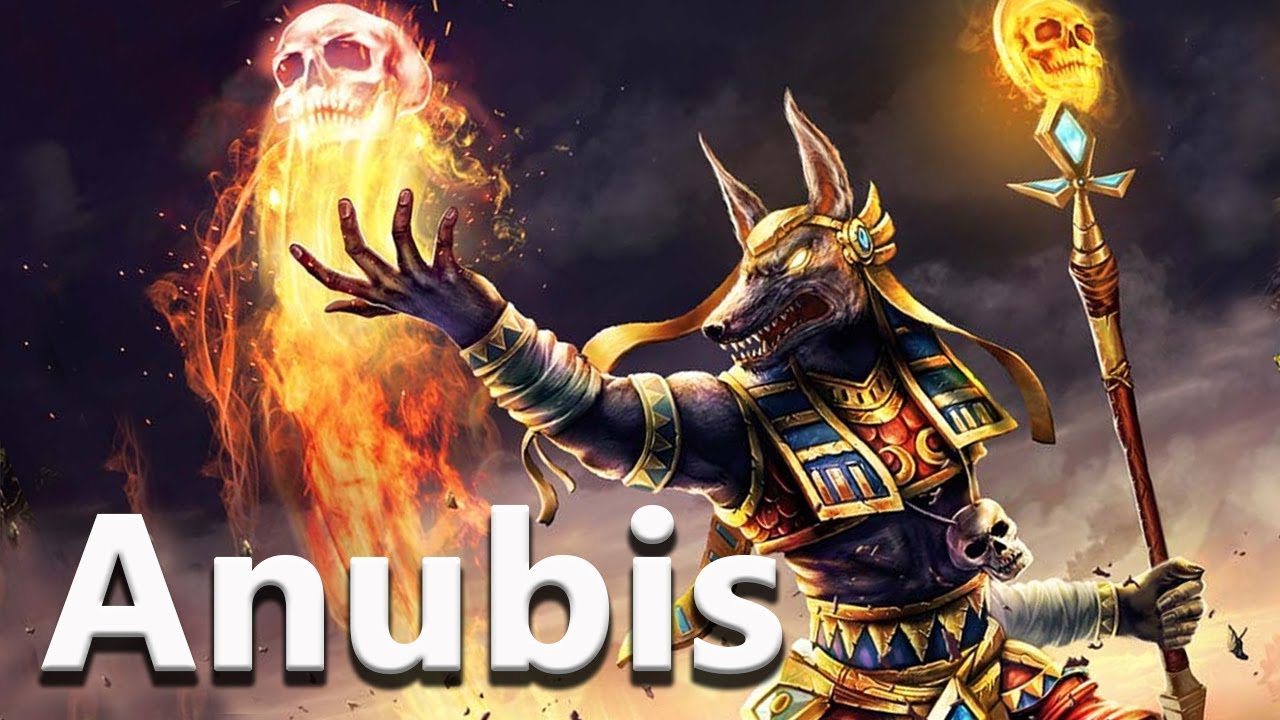
Egyptian God Of Mummification. Anubis God of Mummification and Embalming. He was closely associated with mummification and embalming hence priests wore a mask of Anubis. His symbol is a canid or commonly known as a golden jackal or African golden wolf. The daughter of Anubis Kebechet is frequently seen as his assistant in the mummification process of the dead.
 Pin By Sarah Jensen On Egypt مصر Wall Painting Stele Ancient Egyptian Art Ancient Egyptian Gods Egyptian Art Ancient Egyptian Art From pinterest.com
Warrior goddess of healing in egyptian mythology. Anubis God of Mummification and Embalming. Anubis held the important role of overseeing the embalming and mummification of the dead. The ba or soul was free to fly out of the tomb and return to it. Mummification was an integral part of the rituals for the dead beginning as early as the 2nd dynasty about 2800 BC. Fill the belly with pure myrrh cassia and other spices and sew it together again.
Anubis was also an embalmer.
Jackal-headed god associated with mummification. It was believed that Anubis was the one who invented the embalmment process and the corpse of Osiris was the first one he tried it on. A god of artisans craftsmen and architects. Anubis held the important role of overseeing the embalming and mummification of the dead. Anubis was the jackal headed god of the dead. Fill the belly with pure myrrh cassia and other spices and sew it together again.
 Source: pinterest.com
The daughter of Anubis Kebechet is frequently seen as his assistant in the mummification process of the dead. The afterlife was an idealized version of life on earth where all of lifes good things could be enjoyed without having to endure any of its suffering. Beetle who pushes the sun in egyptian mythology. Anubis held the important role of overseeing the embalming and mummification of the dead. The ka a double of the person would remain in the tomb and needed the offerings and objects there.
 Source: pinterest.com
The Egyptians believed that the mummified body was the home for this soul or spirit. Ancient Egyptians believed that Anubis sniffed the bodies of the dead so they preserved them with sweet smelling herbs and. Anubis God of Mummification and Embalming. Anubis was the Lord of the Dead before Osiris overshadowed him. During the Old Kingdom period of Egypt the god Anubis became known as He who is in the place of embalming and as He who presides over the gods booth with the booth referring to the kings burial chamber.
 Source: pinterest.com
The daughter of Anubis Kebechet is frequently seen as his assistant in the mummification process of the dead. Beetle who pushes the sun in egyptian mythology. A god of artisans craftsmen and architects. By the Middle Kingdom he was replaced by. Anubis was also an embalmer.
 Source: pl.pinterest.com
The Egyptian God of Mummification You might think that Osiris is the God of Mummification as he was the Lord of the Dead but he actually wasnt. The Egyptian God of Mummification You might think that Osiris is the God of Mummification as he was the Lord of the Dead but he actually wasnt. Egyptian protector of tombs. Egyptian god protector of the dead. As such the priests of Anubis were given charge over mummification and preparing the body for its journey into the afterlife.
 Source: pinterest.com
The God of embalming and mummification. Anubis held the important role of overseeing the embalming and mummification of the dead. Egyptian god protector of the dead. Anubis was also an embalmer. The purpose of mummification was to preserve the body for the spiritual afterlife.
 Source: pinterest.com
A god of artisans craftsmen and architects. By the Middle Kingdom he was replaced by. The ba or soul was free to fly out of the tomb and return to it. The God of embalming and mummification. The Egyptian God of Mummification You might think that Osiris is the God of Mummification as he was the Lord of the Dead but he actually wasnt.
 Source: ar.pinterest.com
Andrà CC BY-SA Anubis is the Egyptian god of mummification and the afterlife as well as the patron god of lost souls and the helpless. Fill the belly with pure myrrh cassia and other spices and sew it together again. The Egyptian God of Mummification You might think that Osiris is the God of Mummification as he was the Lord of the Dead but he actually wasnt. What Was the Purpose of Mummification. The ka a double of the person would remain in the tomb and needed the offerings and objects there.
 Source: fr.pinterest.com
Anubis Egyptian Sarcophagus. Beetle who pushes the sun in egyptian mythology. His symbol is a canid or commonly known as a golden jackal or African golden wolf. He is one of the oldest gods of Egypt who most likely developed from the earlier and much older jackal god Wepwawet with whom he is often confused. As such the priests of Anubis were given charge over mummification and preparing the body for its journey into the afterlife.
Source: pinterest.com
Beetle who pushes the sun in egyptian mythology. The purpose of mummification was to preserve the body for the spiritual afterlife. He was closely associated with mummification and embalming hence priests wore a mask of Anubis. The ba or soul was free to fly out of the tomb and return to it. Ancient Egyptians believed that Anubis sniffed the bodies of the dead so they preserved them with sweet smelling herbs and.
 Source: pinterest.com
Anubis held the important role of overseeing the embalming and mummification of the dead. By the Middle Kingdom he was replaced by. Egyptian protector of tombs. Anubis anubisgodsofegypt anubisexplained mythology mythologyexplained egyptianmythology Anubis Egyptian god of Mummification and afterlife. Anubis held the important role of overseeing the embalming and mummification of the dead.
 Source: pinterest.com
Egyptian god protector of the dead. He is one of the oldest gods of Egypt who most likely developed from the earlier and much older jackal god Wepwawet with whom he is often confused. Ancient Egyptians believed that Anubis sniffed the bodies of the dead so they preserved them with sweet smelling herbs and. The afterlife was an idealized version of life on earth where all of lifes good things could be enjoyed without having to endure any of its suffering. The purpose of mummification was to preserve the body for the spiritual afterlife.
 Source: pinterest.com
This is the step-by-step process of how mummification took place. He was closely associated with mummification and embalming hence priests wore a mask of Anubis. The God of embalming and mummification. Egyptian Mummification Draw out the brain through the nostrils Take out the whole contents of the belly and clean the interior with palm-wine and spices. Anubis was the jackal headed god of the dead.
 Source: pinterest.com
Warrior goddess of healing in egyptian mythology. He was closely associated with mummification and embalming hence priests wore a mask of Anubis. Anubis was the jackal headed god of the dead. The Egyptians believed that death was a temporary interruption rather than the end of life. He is one of the oldest gods of Egypt who most likely developed from the earlier and much older jackal god Wepwawet with whom he is often confused.
 Source: pinterest.com
Mummification was an integral part of the rituals for the dead beginning as early as the 2nd dynasty about 2800 BC. Egyptian Mummification Draw out the brain through the nostrils Take out the whole contents of the belly and clean the interior with palm-wine and spices. The God of embalming and mummification. Anubis anubisgodsofegypt anubisexplained mythology mythologyexplained egyptianmythology Anubis Egyptian god of Mummification and afterlife. A god of artisans craftsmen and architects.
 Source: pinterest.com
A god of artisans craftsmen and architects. Ancient Egyptians believed all people moved into an afterlife after their. Egyptian Mummification Draw out the brain through the nostrils Take out the whole contents of the belly and clean the interior with palm-wine and spices. It was believed that Anubis was the one who invented the embalmment process and the corpse of Osiris was the first one he tried it on. Anubis was the jackal headed god of the dead.
 Source: pinterest.com
This is the step-by-step process of how mummification took place. The purpose of mummification was to preserve the body for the spiritual afterlife. Insert a hook through a hole near the nose and pull out part of the brain. Mummification was an integral part of the rituals for the dead beginning as early as the 2nd dynasty about 2800 BC. If the body was destroyed the spirit might be lost.
 Source: pinterest.com
Mummification was an integral part of the rituals for the dead beginning as early as the 2nd dynasty about 2800 BC. According to egyptian mythology a deity worshipped at memphis. Insert a hook through a hole near the nose and pull out part of the brain. It was believed that Anubis was the one who invented the embalmment process and the corpse of Osiris was the first one he tried it on. The daughter of Anubis Kebechet is frequently seen as his assistant in the mummification process of the dead.
 Source: pinterest.com
Egyptian Mummification Draw out the brain through the nostrils Take out the whole contents of the belly and clean the interior with palm-wine and spices. The idea of spirit was complex involving really three spirits. Jackal-headed god associated with mummification. Beetle who pushes the sun in egyptian mythology. The Egyptians believed that death was a temporary interruption rather than the end of life.
This site is an open community for users to do submittion their favorite wallpapers on the internet, all images or pictures in this website are for personal wallpaper use only, it is stricly prohibited to use this wallpaper for commercial purposes, if you are the author and find this image is shared without your permission, please kindly raise a DMCA report to Us.
If you find this site helpful, please support us by sharing this posts to your own social media accounts like Facebook, Instagram and so on or you can also save this blog page with the title egyptian god of mummification by using Ctrl + D for devices a laptop with a Windows operating system or Command + D for laptops with an Apple operating system. If you use a smartphone, you can also use the drawer menu of the browser you are using. Whether it’s a Windows, Mac, iOS or Android operating system, you will still be able to bookmark this website.


